 Child Actor From Krrish, Now A Successful Eye Surgeon
 I'm An Eye Surgeon Today, But I'm Open To Acting Too
 The 'Little' Hrithik Roshan In Krrish Is Now An Eye Surgeon
Laser Cataract Surgery (LACS) in Mumbai – Kurla BKC, Kalina & Bandra W
Laser Cataract Surgery — also called Laser-Assisted Cataract Surgery (LACS) or Femtophaco — represents a significant advancement over traditional cataract surgery. By automating the most technically demanding steps with a femtosecond laser, it delivers greater precision and improved outcomes, especially when combined with premium intraocular lenses.
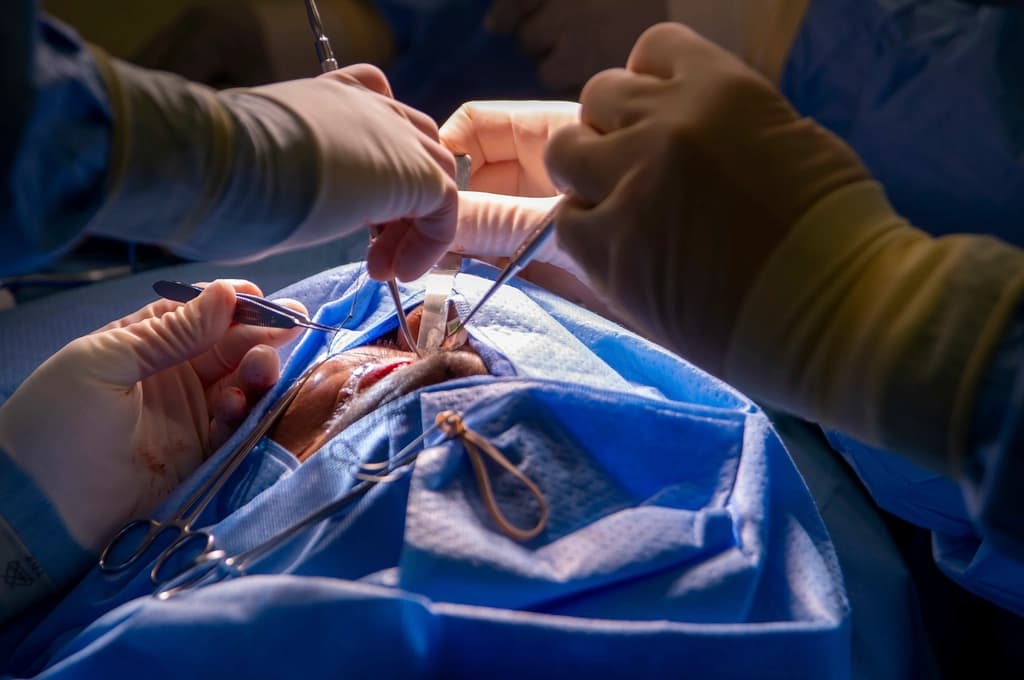
What Is Laser Cataract Surgery (LACS)?
In traditional cataract surgery, the surgeon uses a blade and manual ultrasound to open the lens capsule and break up the cloudy lens. In LACS, a femtosecond laser performs the capsulotomy (the circular opening in the lens bag) and pre-softens the cataract — reducing the ultrasound energy needed and making the procedure more predictable and reproducible.
Who Is It For?
This procedure is generally suited to patients meeting the following criteria:
- Patients with cataract affecting vision or daily activities
- Those opting for premium intraocular lenses (multifocal, toric) where precision is critical
- Patients with astigmatism wishing to address both cataract and corneal irregularity simultaneously
- Diabetics or those with eye conditions needing the most careful surgical approach
What Happens During the Procedure?
Each step is performed with precision and patient comfort in mind.
- Step 1: Femtosecond laser creates a perfectly circular capsulotomy and softens the lens
- Step 2: Reduced ultrasound phacoemulsification to aspirate the softened lens
- Step 3: Premium IOL folded and implanted into the empty lens capsule
- Step 4: No sutures — incision is self-sealing
Recovery & What to Expect
Vision begins improving within 24–48 hours. Full stability of the new lens may take 4–6 weeks. Antibiotic and anti-inflammatory drops are used for 4 weeks. Avoid bending, heavy lifting, and water in the eye for the first 2 weeks.
Benefits
Patients choosing this procedure typically experience the following benefits:
- Greater precision than manual cataract surgery, especially for premium lens placement
- Reduced phaco energy — gentler on the eye's delicate inner lining
- Better visual outcomes for astigmatic patients
- Ideal for patients wanting spectacle independence after surgery
Considering laser cataract?
Book a personalised consultation with Dr. Mickey. We'll evaluate your eyes carefully and walk you through whether this procedure is right for you.
This page is informational only and is not a substitute for medical consultation. Eligibility, outcomes, and risks of any clinical procedure depend on an in-person assessment.