 Child Actor From Krrish, Now A Successful Eye Surgeon
 I'm An Eye Surgeon Today, But I'm Open To Acting Too
 The 'Little' Hrithik Roshan In Krrish Is Now An Eye Surgeon
Glaucoma Treatment in Mumbai – Kurla BKC, Kalina & Bandra W
Glaucoma is a group of eye conditions that damage the optic nerve, which is responsible for transmitting visual information from the eye to the brain. This damage is often associated with increased pressure inside the eye and can gradually lead to vision loss if not diagnosed and treated early.
At Dr. Mickey's Eye Care Centre, patients receive comprehensive glaucoma evaluation and personalised treatment plans aimed at protecting vision and preventing further damage. Early detection and regular monitoring play an important role in managing glaucoma effectively.
If you are experiencing changes in vision or have risk factors such as diabetes, high eye pressure, or a family history of glaucoma, consulting an eye specialist in Mumbai can help detect the condition early.
What is Glaucoma?
Glaucoma is a chronic eye disease that affects the optic nerve. It usually occurs when the fluid inside the eye does not drain properly, leading to increased intraocular pressure. Over time, this pressure damages the optic nerve and can result in gradual vision loss.
The condition often develops slowly and may not show noticeable symptoms in the early stages. Because glaucoma can cause permanent vision damage, regular eye examinations are essential for early detection and treatment.
Symptoms of Glaucoma
In many cases, glaucoma develops without obvious symptoms in the early stages. As the condition progresses, patients may notice certain visual changes. Common symptoms may include:
- Gradual loss of peripheral (side) vision
- Blurred vision
- Eye pain or discomfort
- Headaches
- Halos around lights
- Sudden vision changes in severe cases
When Should You See an Eye Specialist?
You should consult an eye specialist if you experience changes in vision, eye discomfort, or have risk factors for glaucoma. People who should consider regular glaucoma screening include:
- Individuals above the age of 40
- Patients with diabetes or high blood pressure
- Individuals with a family history of glaucoma
- People with high intraocular pressure
Glaucoma Diagnosis
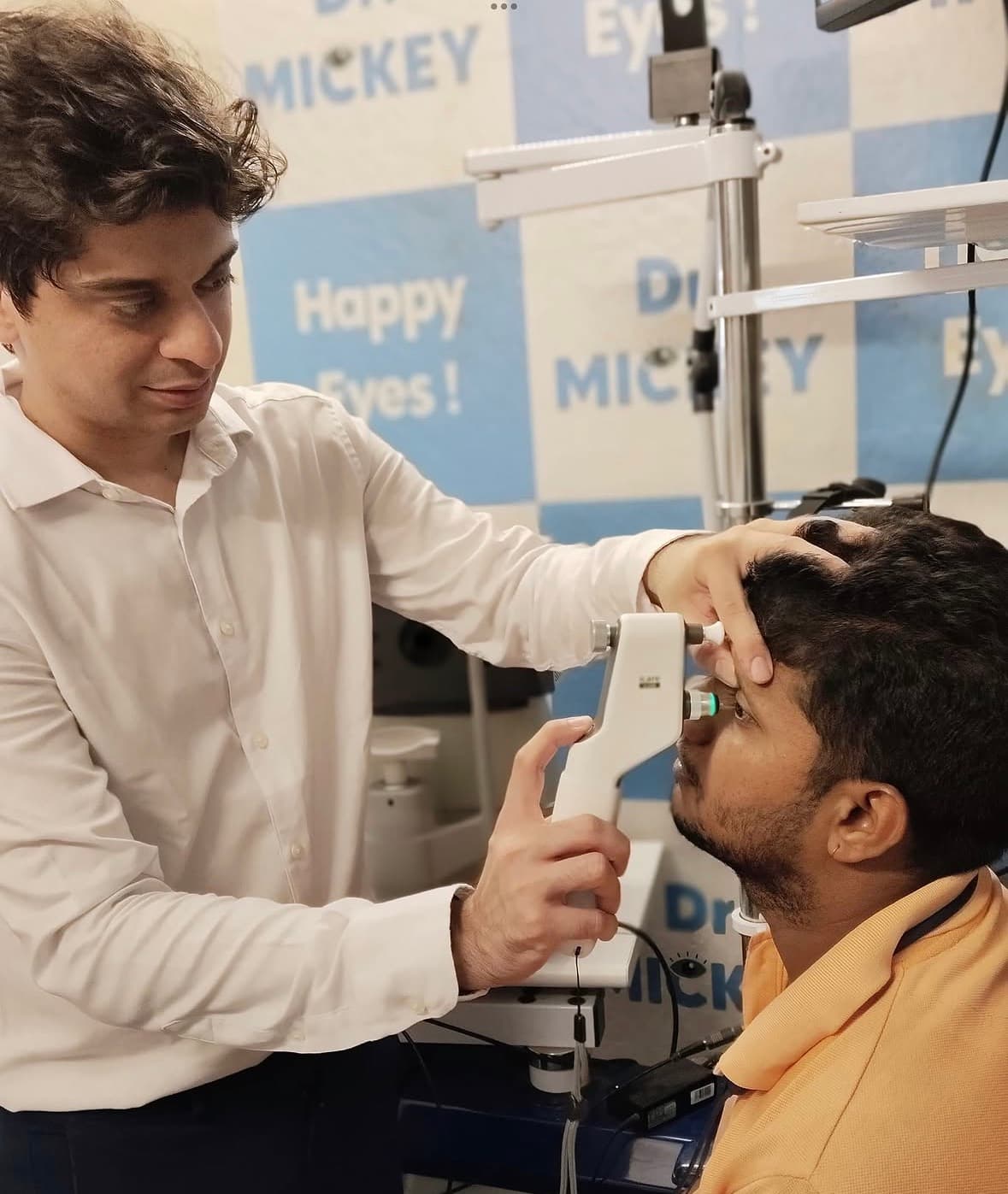
Diagnosing glaucoma requires a detailed eye examination performed by an ophthalmologist. Several tests help evaluate eye pressure, optic nerve health, and visual field changes. Common diagnostic tests include:
- Measurement of intraocular pressure (tonometry)
- Optic nerve examination
- Visual field testing
- Optical coherence tomography (OCT)
- Corneal thickness measurement
Glaucoma Treatment Options
The main goal of glaucoma treatment is to reduce eye pressure and prevent further damage to the optic nerve. Treatment options may include:
- Medicated Eye Drops -- help reduce intraocular pressure and improve fluid drainage
- Oral Medications -- in some cases, oral medications may be used to help control eye pressure
- Laser Treatment -- laser procedures can improve the drainage of fluid from the eye
- Surgical Treatment -- in advanced cases, surgery may be recommended to create new drainage pathways and reduce eye pressure
Types of Glaucoma
There are several types of glaucoma, each with different causes and progression patterns:
- Primary Open-Angle Glaucoma -- the most common type, where the drainage angle of the eye becomes less efficient over time
- Angle-Closure Glaucoma -- occurs when the drainage angle becomes suddenly blocked, causing rapid increase in eye pressure
- Normal-Tension Glaucoma -- optic nerve damage occurs even when eye pressure appears within normal range
- Secondary Glaucoma -- develops as a result of other eye conditions, injury, inflammation, or medications
Glaucoma Treatment Procedure
Treatment procedures aim to lower intraocular pressure and protect the optic nerve from further damage.
Laser procedures or surgical treatment may be recommended depending on the condition. These procedures are performed by an ophthalmologist using specialised equipment designed to improve fluid drainage in the eye. The choice of treatment depends on factors such as glaucoma type, severity, and response to medications.
Managing and Monitoring Glaucoma
Glaucoma is a long-term condition that requires ongoing monitoring. Regular follow-up visits help ensure that eye pressure remains controlled and vision remains stable. Patients may be advised to:
- Use prescribed eye drops consistently
- Attend regular eye examinations
- Monitor vision changes
- Follow treatment instructions carefully
Cost of Glaucoma Treatment in Mumbai
The cost of glaucoma treatment in Mumbai varies depending on several factors, including type of glaucoma treatment required, diagnostic tests and evaluations, laser or surgical procedures if needed, and follow-up care and medications.
During consultation at Dr. Mickey's Eye Care Centre, patients receive detailed evaluation and personalised treatment recommendations based on their eye condition.
Not sure if glaucoma is right for you?
Take our 60-second Glaucoma assessment. You'll get a personalised result and a message from Dr. Mickey on WhatsApp — before you book.
This page is informational only and is not a substitute for medical consultation. Eligibility, outcomes, and risks of any clinical procedure depend on an in-person assessment.