 Child Actor From Krrish, Now A Successful Eye Surgeon
 I'm An Eye Surgeon Today, But I'm Open To Acting Too
 The 'Little' Hrithik Roshan In Krrish Is Now An Eye Surgeon
Cataract Surgery in Mumbai – Kurla BKC, Kalina & Bandra W
Cataract is one of the most common causes of blurred vision, especially with increasing age. It occurs when the natural lens of the eye becomes cloudy, affecting the passage of light and reducing visual clarity. At Dr. Mickey's Eye Care Centre, patients receive comprehensive evaluation and modern cataract surgery using advanced techniques designed to restore clear vision safely and effectively.
If you are experiencing symptoms such as blurred vision, difficulty seeing at night, or increased sensitivity to light, consulting an eye specialist in Mumbai can help determine whether cataract treatment is required.
What is Cataract?
A cataract is a condition in which the clear natural lens inside the eye gradually becomes cloudy. This clouding prevents light from passing clearly to the retina, causing blurred or dim vision.
Cataracts usually develop slowly and may not cause noticeable symptoms in the early stages. However, as the cataract progresses, vision becomes increasingly affected and daily activities such as reading, driving, or recognising faces may become difficult.
Cataract surgery is the most effective treatment, where the cloudy lens is replaced with an artificial intraocular lens to restore clear vision.
Symptoms of Cataract
Common signs and symptoms of cataract include:
- Blurred or cloudy vision
- Difficulty seeing at night
- Sensitivity to bright lights or glare
- Fading or yellowing of colours
- Frequent changes in eyeglass prescription
- Double vision in one eye
When Should You See an Eye Specialist?
You should consult an eye specialist if cataract symptoms begin to interfere with daily activities such as reading, driving, or working on digital screens.
Regular eye checkups are particularly important for:
- People above the age of 40
- Patients with diabetes
- Individuals with a family history of cataract
- People experiencing progressive vision changes
Cataract Diagnosis
Cataract is diagnosed through a detailed eye examination performed by an ophthalmologist. The evaluation may include:
- Visual acuity testing
- Slit lamp examination
- Retinal examination
- Measurement of intraocular pressure
Cataract Treatment Options
In the early stages, mild cataract symptoms may be managed with updated glasses or improved lighting. However, when cataract significantly affects vision, surgery becomes the most effective treatment option.
Cataract surgery involves removing the cloudy natural lens and replacing it with an artificial intraocular lens that restores visual clarity.
Modern cataract surgery is a safe and commonly performed procedure with high success rates.
Types of Cataract Lenses
Different types of intraocular lenses (IOLs) are available depending on the patient's vision needs. Common options include:
- Monofocal Lenses -- designed to provide clear vision at a single distance, usually for distance vision
- Multifocal Lenses -- help patients see clearly at multiple distances and may reduce dependence on glasses
- Toric Lenses -- recommended for patients with astigmatism to improve visual clarity
Cataract Surgery Procedure
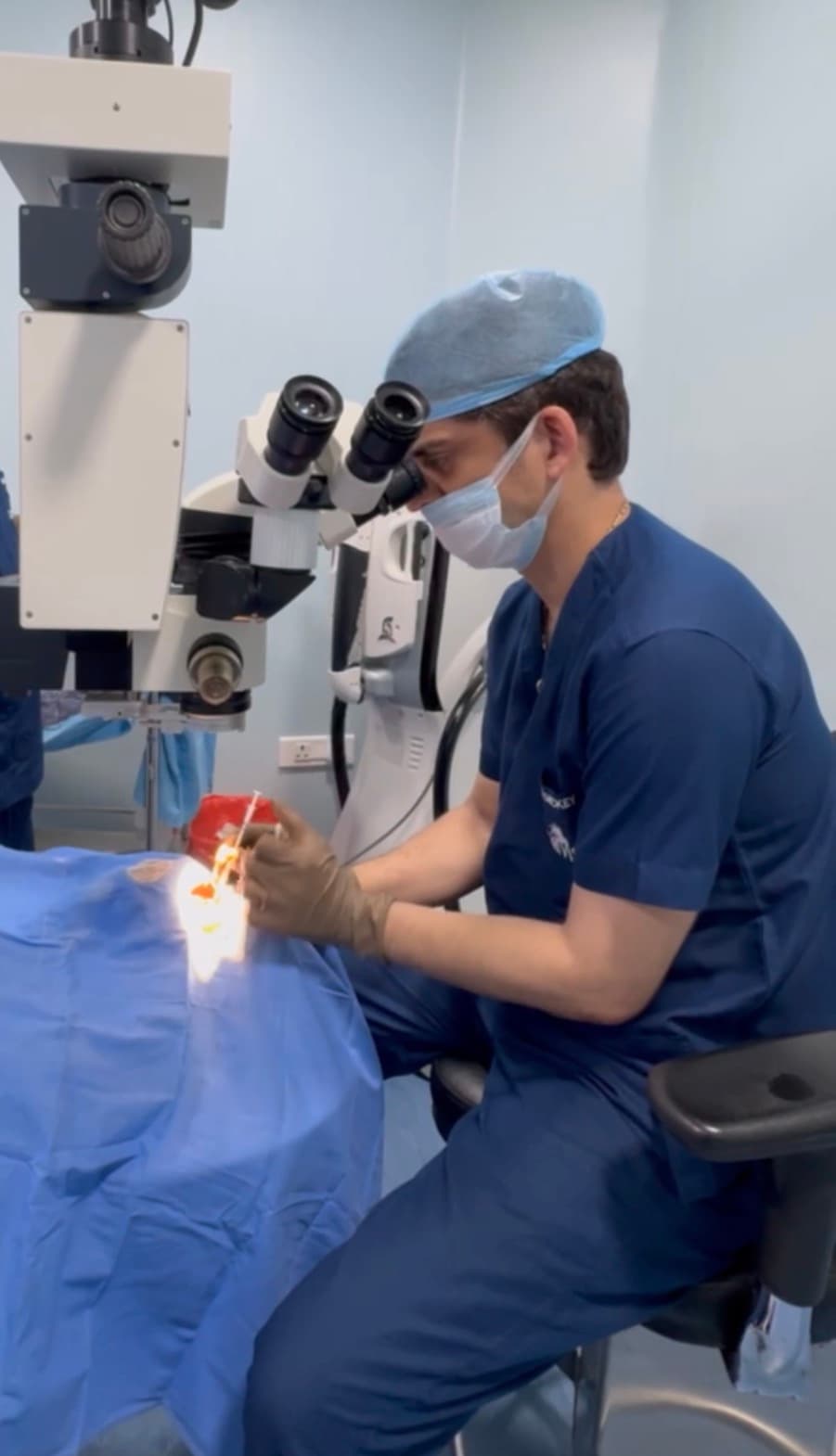
Cataract surgery is a short and minimally invasive procedure. The general steps include:
- Local anaesthesia is used to numb the eye
- A small incision is made in the cornea
- The cloudy lens is gently removed using advanced surgical techniques
- An artificial intraocular lens is inserted to replace the natural lens
Recovery After Cataract Surgery
Most patients experience improved vision within a few days after surgery. Full recovery may take a few weeks. During the recovery period, patients may be advised to:
- Use prescribed eye drops regularly
- Avoid rubbing the eyes
- Protect the eyes from dust and water exposure
- Attend follow-up visits with the eye specialist
Cost of Cataract Surgery in Mumbai
The cost of cataract surgery in Mumbai may vary depending on several factors, including type of cataract surgery performed, choice of intraocular lens, diagnostic tests, and post-operative care.
During consultation at Dr. Mickey's Eye Care Centre, patients receive a detailed evaluation and guidance on the most appropriate treatment options.
Not sure if cataract is right for you?
Take our 60-second Cataract assessment. You'll get a personalised result and a message from Dr. Mickey on WhatsApp — before you book.
This page is informational only and is not a substitute for medical consultation. Eligibility, outcomes, and risks of any clinical procedure depend on an in-person assessment.