4.9 ★ on Google · 8,000+ reviewsChild Actor From Krrish, Now A Successful Eye SurgeonMBBS · MS · FICO (London) · MRCS (Edinburgh)I'm An Eye Surgeon Today, But I'm Open To Acting TooSame-day cataract surgeryBandra Kurla Complex · Kurla WestThe 'Little' Hrithik Roshan In Krrish Is Now An Eye SurgeonBlade-free Contoura LASIKFeatured — NDTV · Times of India · News184.9 ★ on Google · 8,000+ reviewsChild Actor From Krrish, Now A Successful Eye SurgeonMBBS · MS · FICO (London) · MRCS (Edinburgh)I'm An Eye Surgeon Today, But I'm Open To Acting TooSame-day cataract surgeryBandra Kurla Complex · Kurla WestThe 'Little' Hrithik Roshan In Krrish Is Now An Eye SurgeonBlade-free Contoura LASIKFeatured — NDTV · Times of India · News18


Home/Services/Pediatric Eye Care

Pediatric Eye Care in Mumbai – BKC & Kurla

Children's vision plays an important role in their learning, development, and overall well-being. Pediatric eye care focuses on the diagnosis, treatment, and management of eye conditions that affect infants, children, and adolescents.

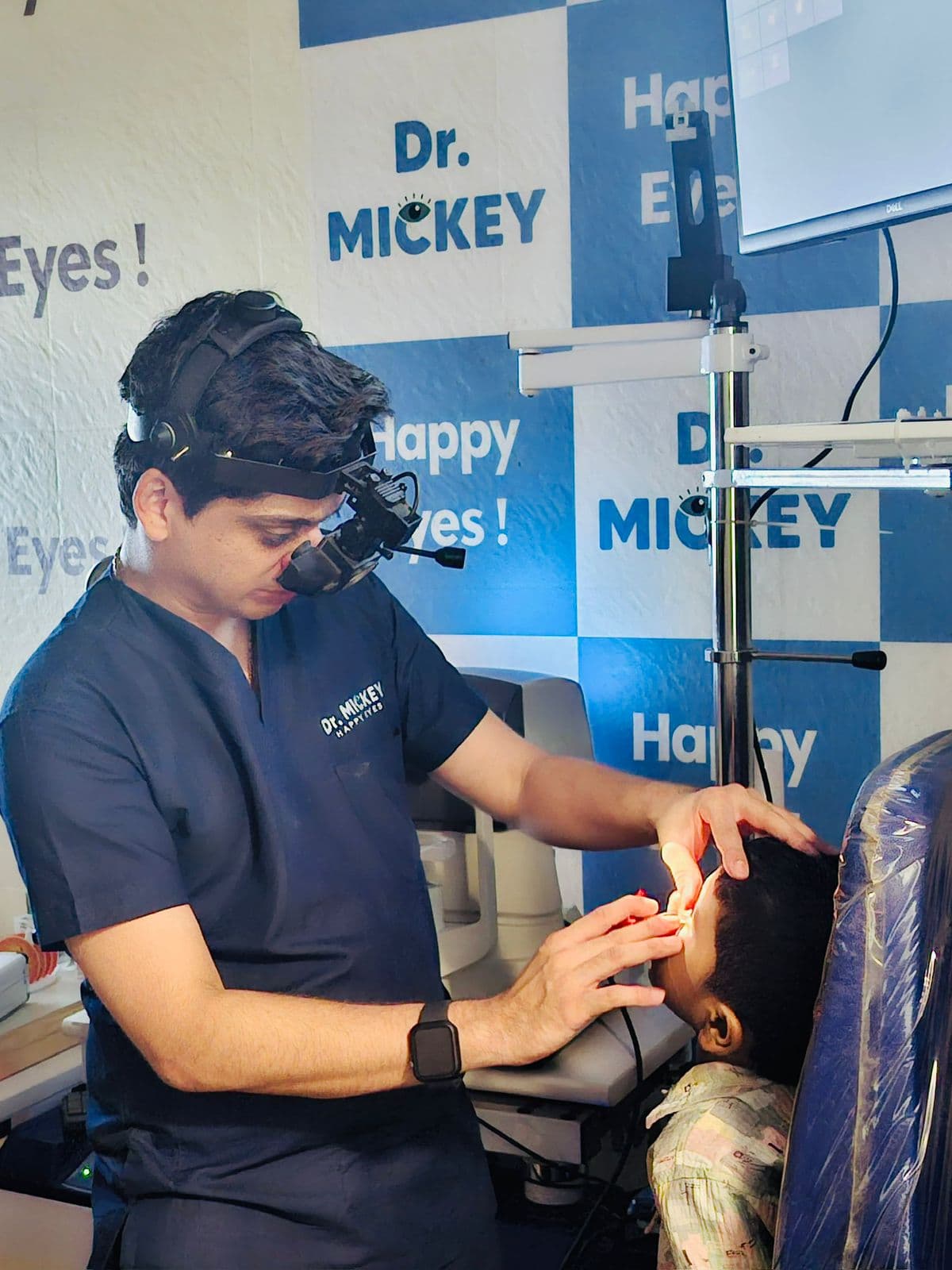
At Dr Mickey's Eye Care Centre, comprehensive pediatric eye examinations are performed to identify vision problems at an early stage. Many eye conditions in children can be effectively treated when detected early, helping support proper visual development and preventing long-term vision issues.

Regular eye checkups help ensure that children maintain healthy vision during their growing years.

Pediatric Eye Care
01

What is Pediatric Eye Care?

Pediatric eye care is a specialised area of ophthalmology that focuses on diagnosing and treating eye problems in children. Since children may not always recognise or communicate vision difficulties, regular eye examinations are important for early detection of vision issues.

Pediatric eye care includes evaluation of visual development, eye alignment, focusing ability, and overall eye health. Early identification of eye problems helps ensure proper treatment and supports healthy vision development.

02

Common Eye Problems in Children

Several eye conditions can affect children at different stages of development. Common pediatric eye problems include:

  • Refractive errors such as nearsightedness, farsightedness, and astigmatism
  • Lazy eye (amblyopia)
  • Crossed eyes or squint (strabismus)
  • Eye infections or allergies
  • Excessive tearing or blocked tear ducts
  • Difficulty focusing on objects
03

When Should You Take Your Child to an Eye Specialist?

Children may not always complain about vision problems, which is why parents should watch for certain signs that indicate the need for an eye examination. Consider visiting an eye specialist if your child:

  • Squints frequently while looking at objects
  • Complains of headaches or eye strain
  • Holds books or screens very close
  • Experiences difficulty seeing distant objects
  • Has crossed or misaligned eyes
  • Shows signs of excessive tearing or eye redness
04

Pediatric Eye Examination & Diagnosis

A pediatric eye examination is designed to evaluate both vision and eye health in children. The examination may include:

  • Vision assessment appropriate for the child's age
  • Evaluation of eye alignment and movement
  • Refraction test to detect refractive errors
  • Examination of the retina and optic nerve
  • Assessment of eye coordination and focusing ability
05

Pediatric Eye Care Treatment Options

Treatment for pediatric eye conditions depends on the type and severity of the problem. Common treatment options may include:

  • Prescription Glasses -- correct refractive errors and help improve visual clarity
  • Eye Patching Therapy -- used to treat lazy eye by strengthening the weaker eye
  • Eye Exercises -- may help improve focusing ability and eye coordination
  • Medical Treatment -- medications may be prescribed for infections, allergies, or inflammation
06

Importance of Regular Eye Checkups for Children

Regular eye examinations play an important role in identifying vision problems that may affect a child's learning and daily activities.

Children rely heavily on vision for reading, writing, and classroom participation. Undiagnosed vision issues can impact academic performance and confidence.

Routine eye checkups help detect problems early and ensure proper visual development during childhood.

07

Pediatric Eye Treatment Procedures

Some pediatric eye conditions may require specialised treatment procedures. Depending on the diagnosis, treatment may involve corrective lenses, vision therapy, or other medical interventions recommended by the ophthalmologist.

The goal of treatment is to improve visual clarity, correct eye alignment, and support healthy eye development.

08

Preventing Vision Problems in Children

Parents can help support healthy vision by encouraging good eye care habits. Helpful measures include:

  • Limiting excessive screen time
  • Ensuring proper lighting while reading or studying
  • Encouraging outdoor activities
  • Maintaining balanced nutrition
  • Scheduling regular eye examinations
09

Cost of Pediatric Eye Care in Mumbai

The cost of pediatric eye care in Mumbai may vary depending on the type of examination, diagnostic tests, and treatment required.

During consultation at Dr Mickey's Eye Care Centre, children receive a comprehensive eye examination and personalised care based on their vision needs. Parents are guided regarding appropriate treatment options and follow-up care.

FAQFrequently Asked Questions

Children should have their first comprehensive eye examination during early childhood or earlier if vision problems are suspected.

Yes. Many children may not recognise or communicate vision problems, which is why routine eye checkups are important.

Frequent squinting, headaches, difficulty reading, or holding objects very close may indicate a need for vision correction.

Yes. Early treatment with glasses, patching, or other therapies can help improve vision in children with lazy eye.

Book an Appointment

Schedule a consultation with Dr Mickey at our BKC or Kurla clinic for personalised eye care and expert guidance.

This page is informational only and is not a substitute for medical consultation. Eligibility, outcomes, and risks of any clinical procedure depend on an in-person assessment.