 Child Actor From Krrish, Now A Successful Eye Surgeon
 I'm An Eye Surgeon Today, But I'm Open To Acting Too
 The 'Little' Hrithik Roshan In Krrish Is Now An Eye Surgeon
Corneal Transplant Surgery in Mumbai – Kurla BKC, Kalina & Bandra W
When the cornea — the clear front surface of the eye — is severely scarred, swollen, or diseased beyond what medical or minor surgical treatment can address, a corneal transplant can restore clarity and meaningful vision. At Doctor Mickey's Eye Care Center, corneal transplant surgery is performed with the latest techniques to optimise graft survival and visual recovery.
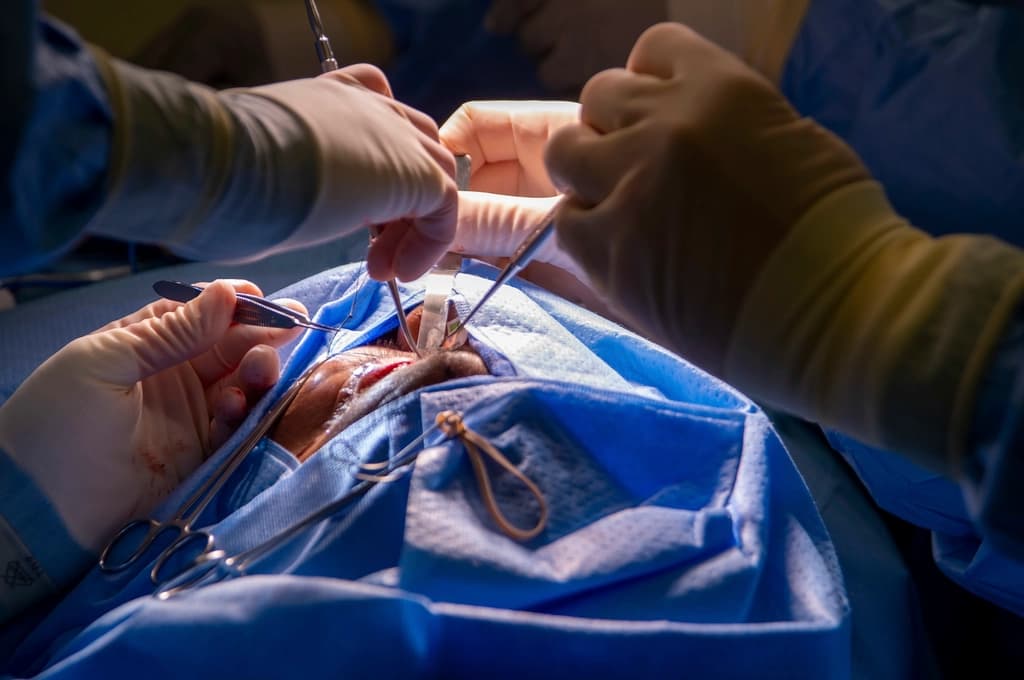
What Is Corneal Transplant Surgery?
A corneal transplant (keratoplasty) involves removing the diseased central cornea and replacing it with a carefully matched donor corneal disc. In full-thickness transplants (Penetrating Keratoplasty or PK), all layers are replaced. In partial-thickness options like DSAEK or PDEK, only the affected layer is replaced.
Who Is It For?
This procedure is generally suited to patients meeting the following criteria:
- Keratoconus in advanced stages not manageable with lenses or CAIRS
- Corneal scarring from infections (bacterial, viral, fungal) or trauma
- Bullous keratopathy (corneal swelling from failed endothelial cells)
- Failed previous corneal transplants
What Happens During the Procedure?
Each step is performed with precision and patient comfort in mind.
- Step 1: Full pre-operative assessment: corneal topography, endothelial cell count, anterior segment OCT
- Step 2: Donor tissue sourced from a licensed eye bank
- Step 3: Diseased cornea trephined (cut) and removed under general or peribulbar anaesthesia
- Step 4: Donor disc sutured with 16–24 interrupted or running sutures
- Step 5: Sutures remain for 1 year or more; gradual removal as healing progresses
Recovery & What to Expect
Vision is blurry for several months as the graft heals and sutures are present. Final visual acuity is typically achieved over 12–18 months. Steroid eye drops are continued long-term to prevent rejection. Regular follow-up is essential to monitor graft health.
Benefits
Patients choosing this procedure typically experience the following benefits:
- Can restore functional and sometimes excellent vision in eyes that would otherwise remain severely impaired
- Advances in donor tissue processing have significantly improved graft quality
- Rejection episodes, if caught early, can usually be reversed with intensive drops
Considering corneal transplant?
Book a personalised consultation with Dr. Mickey. We'll evaluate your eyes carefully and walk you through whether this procedure is right for you.
This page is informational only and is not a substitute for medical consultation. Eligibility, outcomes, and risks of any clinical procedure depend on an in-person assessment.