 Child Actor From Krrish, Now A Successful Eye Surgeon
 I'm An Eye Surgeon Today, But I'm Open To Acting Too
 The 'Little' Hrithik Roshan In Krrish Is Now An Eye Surgeon
PDEK (Pre-Descemet's Endothelial Keratoplasty) in Mumbai – Kurla BKC, Kalina & Bandra W
PDEK is a highly refined partial-thickness corneal transplant that replaces only the innermost layers of the cornea — the Descemet's membrane and its endothelial cells — while leaving the healthy anterior stroma untouched. It is the most tissue-conservative and anatomically precise corneal transplant currently available.
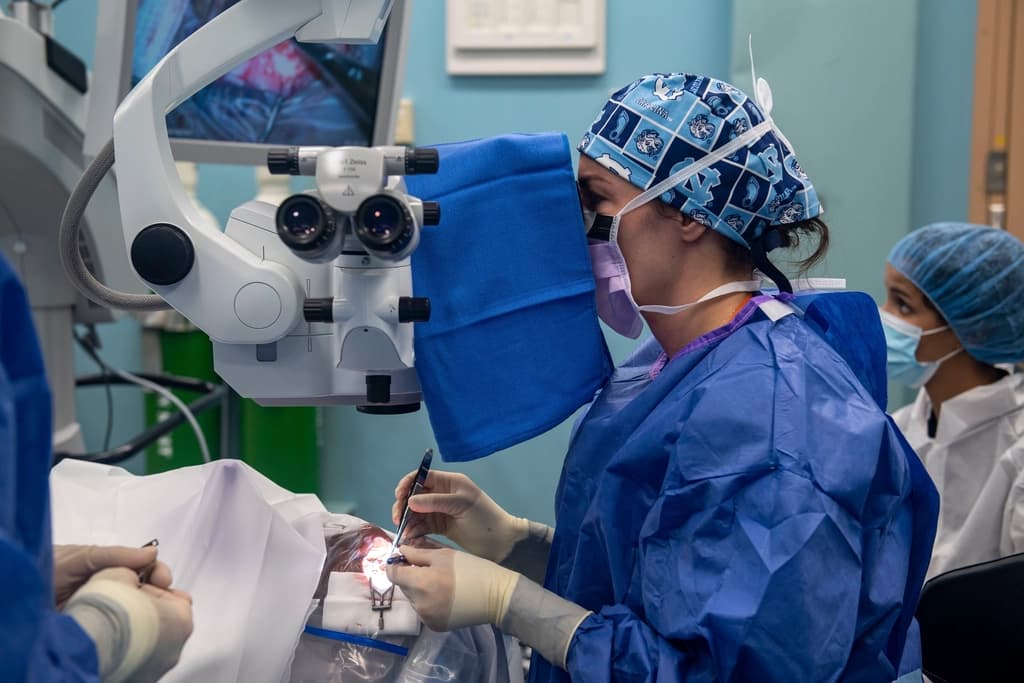
What Is PDEK (Pre-Descemet's Endothelial Keratoplasty)?
In PDEK, donor tissue consisting of Descemet's membrane, its pre-Descemet's layer, and the endothelium is prepared using an air injection technique and transplanted into the recipient eye through a small 3–4 mm incision. The graft unfolds and attaches to the recipient's cornea using an air bubble.
Who Is It For?
This procedure is generally suited to patients meeting the following criteria:
- Fuchs' endothelial dystrophy
- Bullous keratopathy (failed endothelial cells from previous cataract surgery or other causes)
- Eyes with a clear anterior cornea requiring only endothelial replacement
What Happens During the Procedure?
Each step is performed with precision and patient comfort in mind.
- Step 1: Donor tissue carefully prepared in the surgical theatre
- Step 2: Diseased endothelium stripped from the recipient eye
- Step 3: Folded donor graft inserted through a small incision
- Step 4: Air bubble injected to press graft into position
- Step 5: Patient rests face-up for 1 hour post-operatively to maintain the bubble
Recovery & What to Expect
Vision improves more rapidly than with full-thickness transplants — most patients notice meaningful improvement within 4–8 weeks. No sutures to remove. Steroid drops are continued for 1 year. Regular follow-up includes endothelial cell counts to monitor graft health.
Benefits
Patients choosing this procedure typically experience the following benefits:
- No external sutures — lower rejection risk, faster recovery
- Smaller incision — structurally stronger eye post-operatively
- Faster visual rehabilitation than penetrating keratoplasty
- Preserves the patient's own healthy anterior cornea
Considering pdek?
Book a personalised consultation with Dr. Mickey. We'll evaluate your eyes carefully and walk you through whether this procedure is right for you.
This page is informational only and is not a substitute for medical consultation. Eligibility, outcomes, and risks of any clinical procedure depend on an in-person assessment.