 Child Actor From Krrish, Now A Successful Eye Surgeon
 I'm An Eye Surgeon Today, But I'm Open To Acting Too
 The 'Little' Hrithik Roshan In Krrish Is Now An Eye Surgeon
Neuro-Ophthalmology in Mumbai – Kurla BKC, Kalina & Bandra W
Neuro-ophthalmology addresses vision problems that arise not from the eye itself but from the visual pathways connecting the eye to the brain. At Doctor Mickey's Eye Care Center, Dr. Mickey evaluates complex visual complaints — unexplained vision loss, double vision, visual field defects, and optic nerve disorders — and works closely with neurologists and neurosurgeons when systemic conditions are involved.
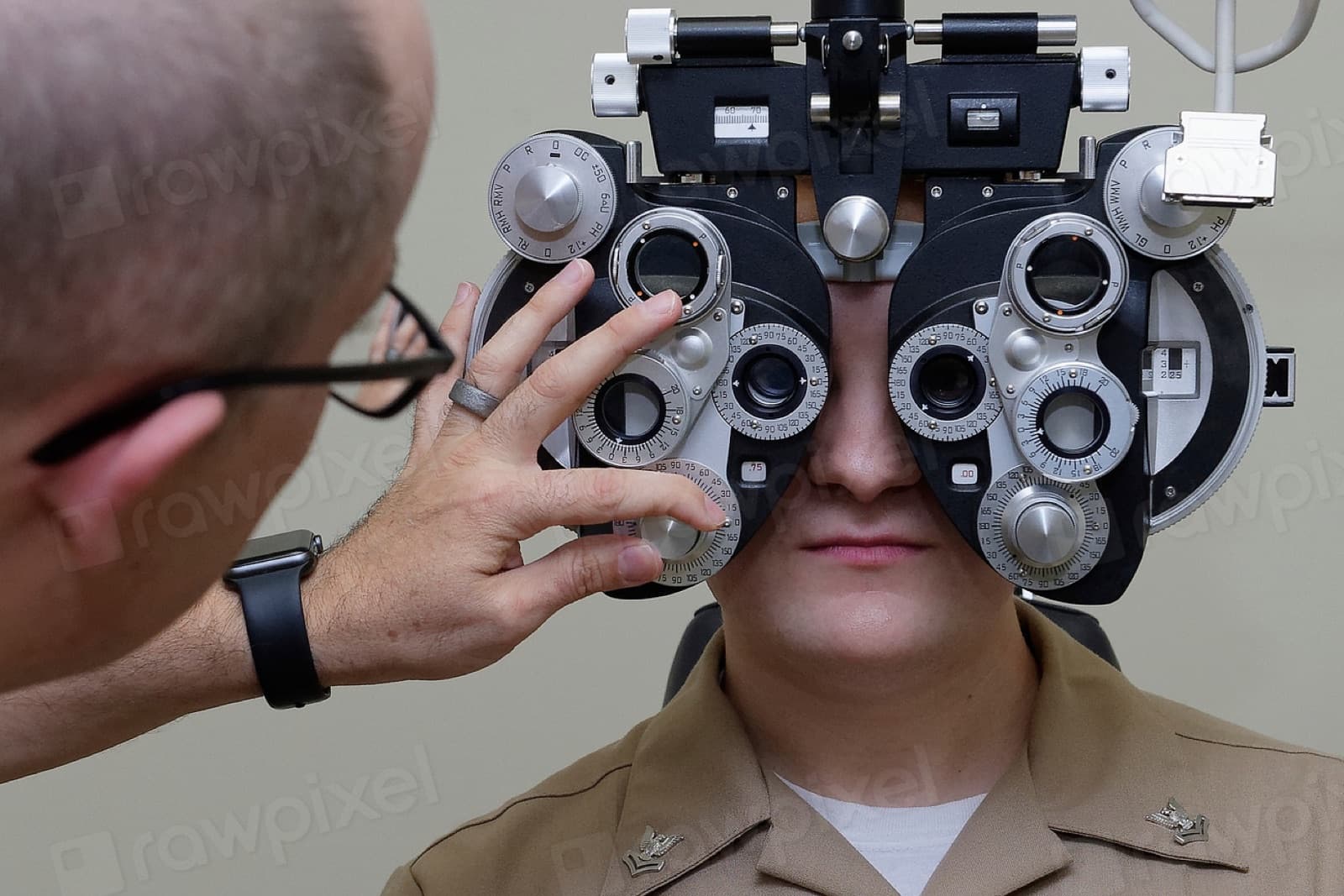
What Is Neuro-Ophthalmology?
Many serious conditions first present with visual symptoms: a brain tumour may cause a visual field defect; multiple sclerosis may present as optic neuritis; raised intracranial pressure causes papilloedema visible on fundus examination; myasthenia gravis causes variable double vision or ptosis. Neuro-ophthalmology provides the bridge between eye and brain.
Who Is It For?
This procedure is generally suited to patients meeting the following criteria:
- Sudden or progressive unexplained vision loss not explained by eye disease
- Double vision (diplopia) — new onset or worsening
- Pupil abnormalities (Horner's syndrome, Adie's pupil, RAPD)
- Optic neuritis or disc swelling (papilloedema)
- Visual field defects detected on perimetry
- Abnormal eye movements or eyelid drooping of neurological origin
What Happens During the Procedure?
Each step is performed with precision and patient comfort in mind.
- Step 1: Detailed history: onset, character, associated symptoms (headache, weakness, speech)
- Step 2: Comprehensive neuro-ophthalmic examination: pupils, ocular motility, visual fields, optic disc
- Step 3: OCT of the RNFL (retinal nerve fibre layer) and ganglion cell complex
- Step 4: Coordination with neurology/imaging (MRI brain) as indicated
Recovery & What to Expect
Depends entirely on the underlying condition — recovery ranges from full (optic neuritis in MS often recovers well) to guarded (compressive lesions need neurosurgical intervention). Dr. Mickey will coordinate your care and keep you informed at every step.
Benefits
Patients choosing this procedure typically experience the following benefits:
- Systematic approach to complex visual complaints that do not fit a simple diagnosis
- Liaison with neurology and radiology to ensure nothing is missed
- OCT of the optic nerve and RNFL for objective baseline and monitoring
Considering neuro-ophthalmology?
Book a personalised consultation with Dr. Mickey. We'll evaluate your eyes carefully and walk you through whether this procedure is right for you.
This page is informational only and is not a substitute for medical consultation. Eligibility, outcomes, and risks of any clinical procedure depend on an in-person assessment.