 Child Actor From Krrish, Now A Successful Eye Surgeon
 I'm An Eye Surgeon Today, But I'm Open To Acting Too
 The 'Little' Hrithik Roshan In Krrish Is Now An Eye Surgeon
Stye & Chalazion Treatment in Mumbai – Kurla BKC, Kalina & Bandra W
A stye (hordeolum) is a tender, red bump at the eyelid margin caused by an acute bacterial infection of a gland. A chalazion is a slower, painless swelling deeper in the lid caused by a blocked meibomian gland. Both are common, both can recur, and both are very treatable — particularly when managed properly rather than left to resolve on their own.
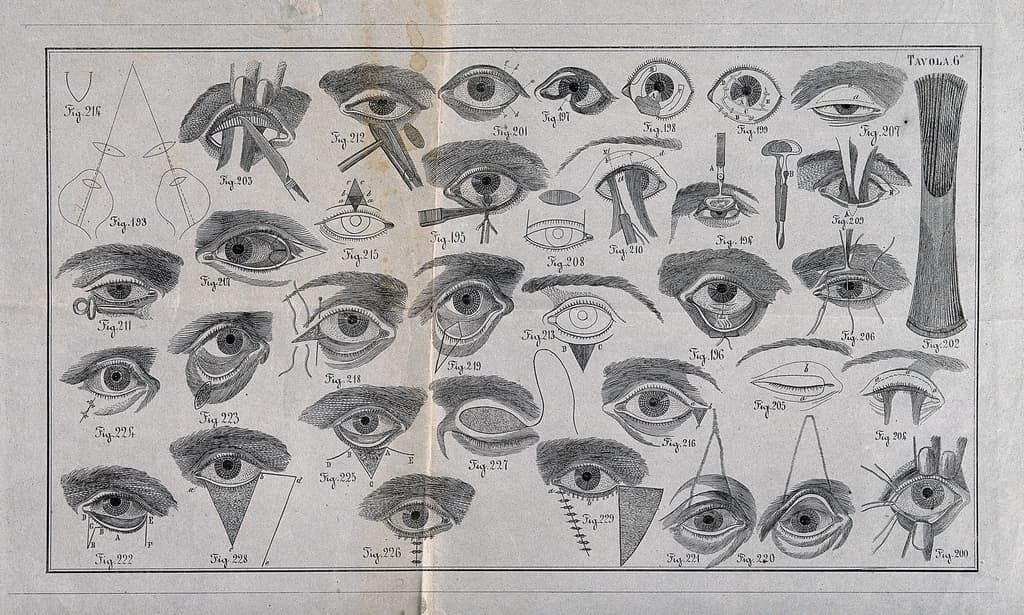
What Is Stye & Chalazion Treatment?
An acute stye is a bacterial infection (usually Staphylococcal) of the eyelash follicle or associated glands. A chalazion develops when a meibomian gland becomes blocked and its secretions cause a chronic inflammatory cyst. While styes are acute and painful, chalazia are chronic and firm. Treatment differs between the two — and getting the diagnosis right matters.
Who Is It For?
This procedure is generally suited to patients meeting the following criteria:
- Anyone with a painful, tender eyelid lump (stye)
- Those with a painless firm swelling in the lid lasting more than 4 weeks (chalazion)
- Patients with recurrent styes or chalazia (may indicate sebaceous gland carcinoma — requires biopsy)
- Styes or chalazia not resolving with warm compresses
What Happens During the Procedure?
Each step is performed with precision and patient comfort in mind.
- Step 1: Clinical examination to confirm diagnosis and rule out serious causes
- Step 2: Acute stye: warm compresses, topical/oral antibiotics if needed
- Step 3: Chalazion (persistent): intralesional steroid injection or surgical incision and curettage under local anaesthesia
- Step 4: Biopsy if recurrent or atypical presentation — to exclude sebaceous cell carcinoma
Recovery & What to Expect
Acute styes typically resolve within 1–2 weeks with conservative treatment. Chalazia after steroid injection may reduce over 4–6 weeks; surgical drainage gives faster resolution (1–2 weeks). A small bruise or swelling at the injection or drainage site settles quickly.
Benefits
Patients choosing this procedure typically experience the following benefits:
- Correct diagnosis prevents under- or over-treatment
- In-office chalazion drainage — quick, low-risk, same-day procedure
- Biopsy for recurrent cases — important to exclude rare but serious causes
- Lid hygiene education to reduce recurrence
Considering stye & chalazion?
Book a personalised consultation with Dr. Mickey. We'll evaluate your eyes carefully and walk you through whether this procedure is right for you.
This page is informational only and is not a substitute for medical consultation. Eligibility, outcomes, and risks of any clinical procedure depend on an in-person assessment.