 Child Actor From Krrish, Now A Successful Eye Surgeon
 I'm An Eye Surgeon Today, But I'm Open To Acting Too
 The 'Little' Hrithik Roshan In Krrish Is Now An Eye Surgeon
PRK (Photorefractive Keratectomy) in Mumbai – Kurla BKC, Kalina & Bandra W
PRK was the original laser vision correction procedure, and it remains highly relevant today for patients whose corneas are too thin or steep for flap-based surgery. At Doctor Mickey's Eye Care Center, PRK is offered as a safe and equally effective alternative to LASIK, with outcomes that are just as good in the long term.
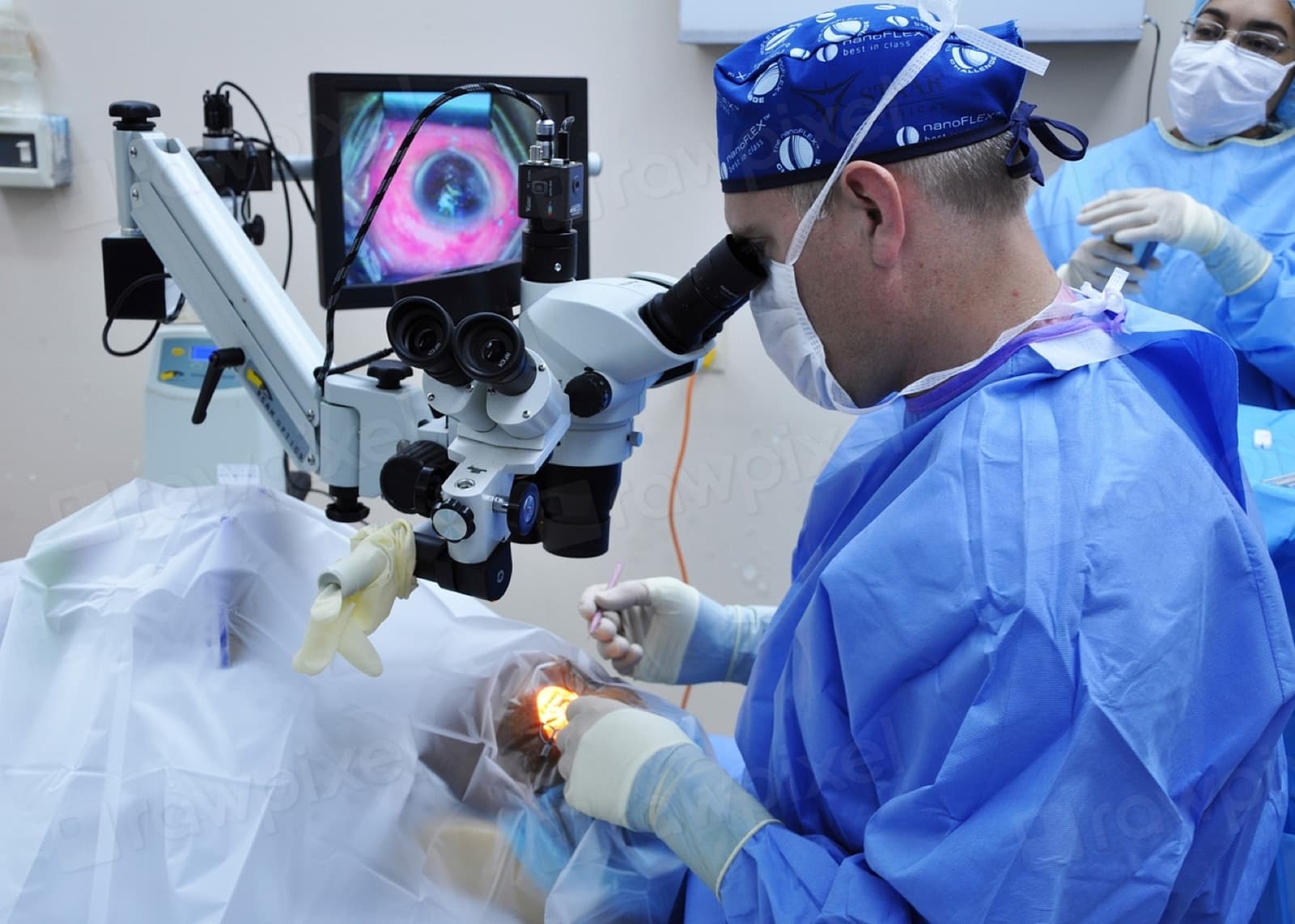
What Is PRK (Photorefractive Keratectomy)?
In PRK, the outermost layer of the cornea (epithelium) is gently removed rather than creating a flap. The excimer laser then reshapes the corneal tissue directly. The epithelium regenerates naturally over 3–5 days. There is no flap, making PRK structurally ideal for thinner corneas.
Who Is It For?
This procedure is generally suited to patients meeting the following criteria:
- Patients with thin corneas not suitable for LASIK or SMILE
- Those with a history of corneal surface disease
- Professionals in certain occupations (defence, aviation) where no-flap surgery is preferred
- Suitable prescription range similar to LASIK
What Happens During the Procedure?
Each step is performed with precision and patient comfort in mind.
- Step 1: Epithelium removed with a gentle brush, alcohol, or laser (TransPRK)
- Step 2: Excimer laser reshapes the corneal stroma
- Step 3: A soft bandage contact lens is placed to aid epithelial healing
- Step 4: Healing eye drops prescribed for the first week
Recovery & What to Expect
Recovery takes longer than LASIK — 3–7 days of blurred vision while the epithelium heals, with final vision clarity reached over 3–6 weeks. Mild discomfort is expected in the first few days. Mitomycin-C is applied during surgery to prevent haze formation.
Benefits
Patients choosing this procedure typically experience the following benefits:
- No flap — no flap-related risks whatsoever
- Safe for thin or irregular corneas
- Equal long-term visual outcomes to LASIK
- Structurally the most conservative corneal laser option
Considering prk?
Book a personalised consultation with Dr. Mickey. We'll evaluate your eyes carefully and walk you through whether this procedure is right for you.
This page is informational only and is not a substitute for medical consultation. Eligibility, outcomes, and risks of any clinical procedure depend on an in-person assessment.