 Child Actor From Krrish, Now A Successful Eye Surgeon
 I'm An Eye Surgeon Today, But I'm Open To Acting Too
 The 'Little' Hrithik Roshan In Krrish Is Now An Eye Surgeon
Vitrectomy (Retina Repair Surgery) in Mumbai – Kurla BKC, Kalina & Bandra W
Vitrectomy is the primary surgical procedure for serious retinal conditions that cannot be managed with laser or injections alone. By removing the vitreous gel and accessing the retina directly, Dr. Mickey can repair detachments, close macular holes, remove scar tissue, and drain blood — restoring or preserving vision in complex cases.
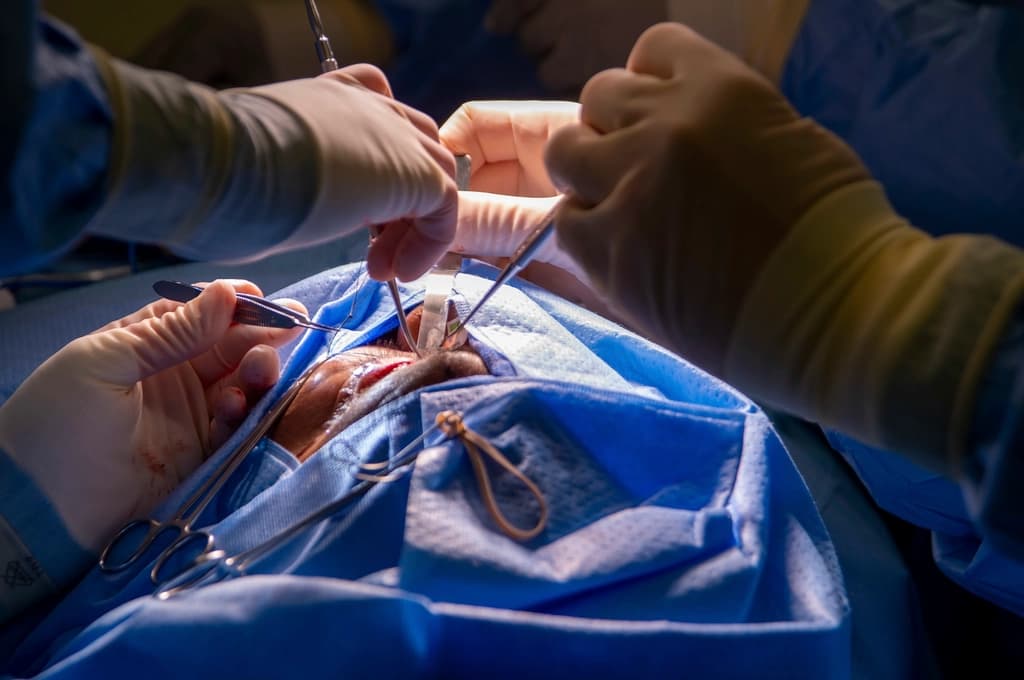
What Is Vitrectomy (Retina Repair Surgery)?
Three tiny ports (each less than 1 mm) are placed in the wall of the eye. Through these, a light, cutter, and other instruments are inserted to remove the vitreous gel and treat the retina. The eye is then filled with either gas (which absorbs over weeks) or silicone oil (which may need removal later) to support the repaired retina.
Who Is It For?
This procedure is generally suited to patients meeting the following criteria:
- Rhegmatogenous or tractional retinal detachment
- Macular hole
- Vitreous haemorrhage not clearing spontaneously
- Epiretinal membrane causing visual distortion
- Complications of diabetic retinopathy
What Happens During the Procedure?
Each step is performed with precision and patient comfort in mind.
- Step 1: Performed under peribulbar or general anaesthesia
- Step 2: Three 0.5 mm ports placed in the pars plana
- Step 3: Vitreous removed; retina treated (laser, membrane peeling, drainage as needed)
- Step 4: Eye filled with gas or silicone oil; ports sealed
Recovery & What to Expect
If a gas bubble is used, strict face-down positioning for 1–5 days is often required. Vision is initially poor while gas is present but improves gradually as the gas absorbs (1–6 weeks). Complete visual recovery can take 3–6 months depending on the underlying condition.
Benefits
Patients choosing this procedure typically experience the following benefits:
- The definitive treatment for most serious retinal conditions
- Microincision technique (23g/25g) means faster healing and less discomfort than older approaches
- Can be combined with cataract surgery when the lens is affected
Considering vitrectomy?
Book a personalised consultation with Dr. Mickey. We'll evaluate your eyes carefully and walk you through whether this procedure is right for you.
This page is informational only and is not a substitute for medical consultation. Eligibility, outcomes, and risks of any clinical procedure depend on an in-person assessment.