 Child Actor From Krrish, Now A Successful Eye Surgeon
 I'm An Eye Surgeon Today, But I'm Open To Acting Too
 The 'Little' Hrithik Roshan In Krrish Is Now An Eye Surgeon
Retinal Laser Photocoagulation in Mumbai – Kurla BKC, Kalina & Bandra W
Retinal laser photocoagulation uses a precisely focused beam of light to seal leaking blood vessels, strengthen weak retinal tissue, and prevent tears from progressing to a detachment. It is one of the most frequently performed and reliably effective retina treatments available.
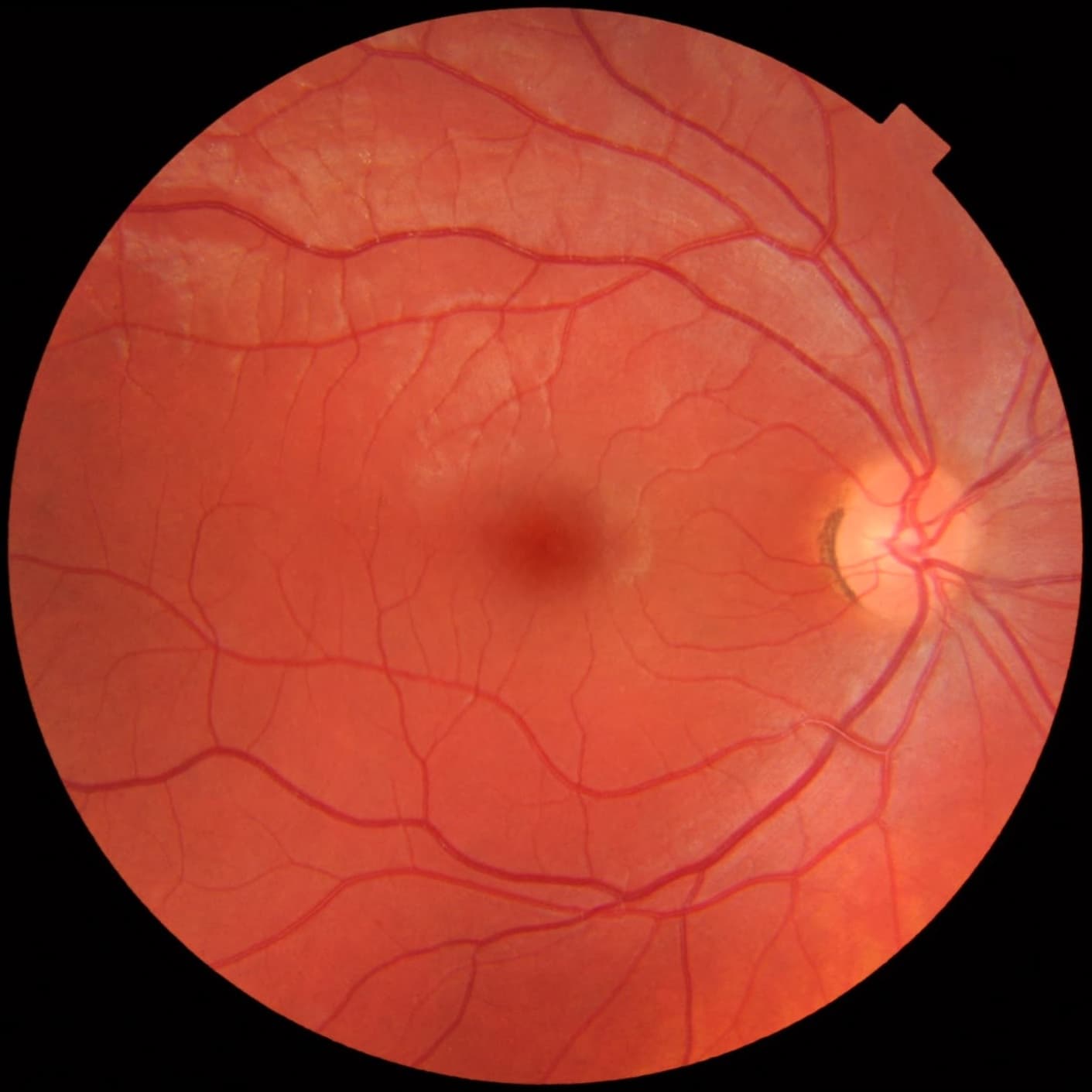
What Is Retinal Laser Photocoagulation?
The laser creates small controlled burns on the retina that seal leaks, destroy abnormal vessels, or weld the retina to the underlying tissue around tears. Depending on the condition, treatment may be focal (targeting a specific area) or panretinal (scattered across the peripheral retina in diabetic eye disease).
Who Is It For?
This procedure is generally suited to patients meeting the following criteria:
- Diabetic retinopathy (panretinal photocoagulation to prevent proliferative disease)
- Retinal tears or peripheral degeneration (preventive laser)
- Branch or central retinal vein occlusion with macular oedema
- Lattice degeneration with high detachment risk
What Happens During the Procedure?
Each step is performed with precision and patient comfort in mind.
- Step 1: Dilating drops applied
- Step 2: Contact lens placed on the eye
- Step 3: Laser applied to the target area — takes 5–20 minutes depending on extent
- Step 4: Protective eyewear worn after; driving restrictions for that day
Recovery & What to Expect
Mild aching or headache for a few hours after the session. Vision may be slightly blurred or dimmer for a day. Peripheral vision can be slightly reduced after panretinal photocoagulation — a necessary trade-off to protect central vision from diabetic complications.
Benefits
Patients choosing this procedure typically experience the following benefits:
- Prevents sight-threatening complications of diabetic retinopathy
- Eliminates retinal tears before they cause detachment
- Quick outpatient procedure — often done the same day as your clinic visit
Considering retinal laser?
Book a personalised consultation with Dr. Mickey. We'll evaluate your eyes carefully and walk you through whether this procedure is right for you.
This page is informational only and is not a substitute for medical consultation. Eligibility, outcomes, and risks of any clinical procedure depend on an in-person assessment.